Reshmi Patel • December 4, 2020

How to Stop Making Piano Practice a Chore
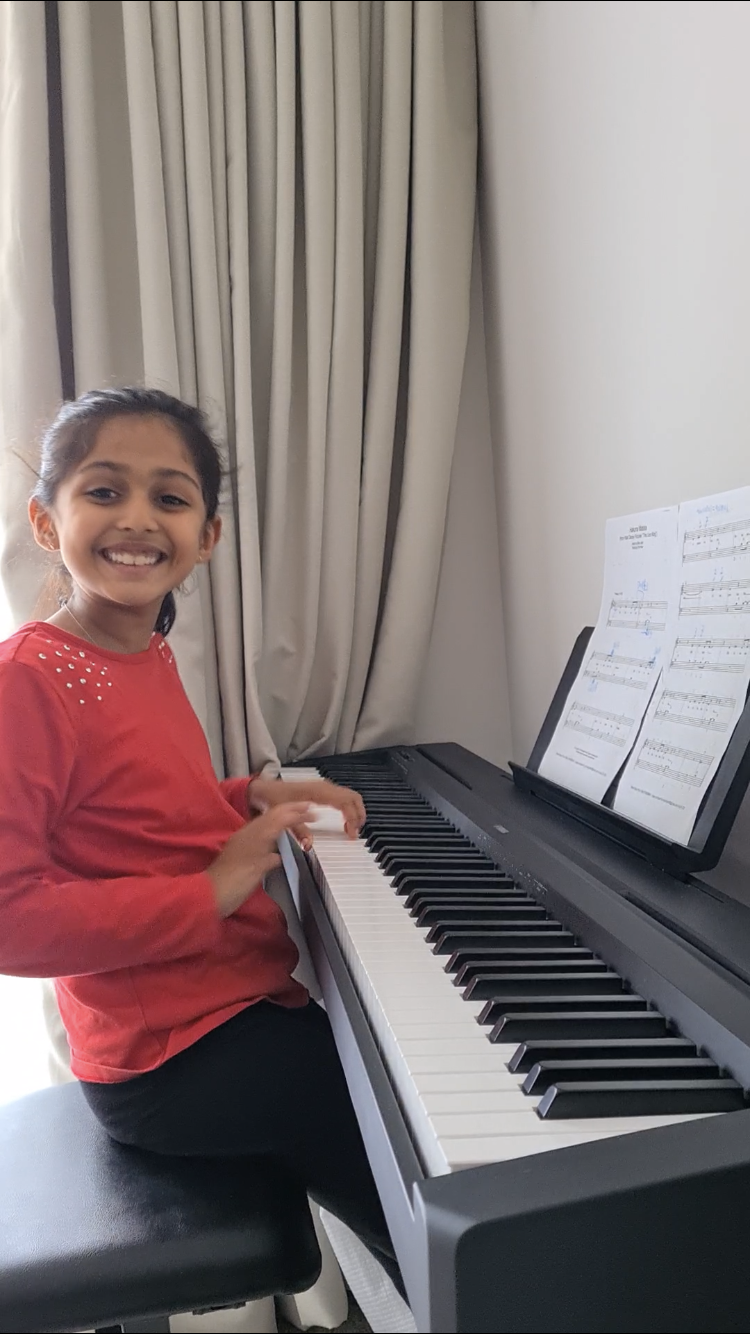
At some point we all reach a stage in our piano journey where we feel like we want to give up. When it may feel like you aren’t enjoying it. 

The good news is, there are ways to solve these problems to help you feel motivated and excited to learn about music.

Here are THREE ways you can make your piano journey more enjoyable:


1)     Listen to music you enjoy regularly.


This could be active or passive listening. Both of these forms of listening are a key part of a musician’s practice.


‘Active listening’ involves solely focusing on the music without any distractions. To gain the full benefit I’d recommend listening with headphones.


‘Passive listening’ involves having the music on in the background whilst you are completing another task.


2)     Monitor your progress


Try to keep a note through recording yourself or making notes in a diary about how you are progressing and feeling about your piano journey.


3)     Ask for regular feedback


A teacher or mentor will fast-track your learning because:


-        They have a proven track record in helping people with similar goals to you.

-        They have been through a very similar journey to you themselves.

-        They will hold you accountable to taking action and the necessary steps to help you make progress.


Remember that when you are trying out these systems to write them out and look at them little and often but also be patient with yourself. If you wish to know more about these hacks and resources, feel free to take a look around our website or connect with us directly.


To find out more, feel free to get involved in our latest project “The Habits of the Top Performing Piano Players”, fill out our survey:

https://docs.google.com/forms/d/13kfjQbsNwdOeJlnPF6cp5HfOm-o45xubyo9qSJRTrAM/edit. For your chance to win a Nintendo DS Lite or a £50 Amazon Gift Voucher.

February 16, 2026
From the outside, piano lessons can look simple: a weekly session, a teacher, and some practice at home. But what parents are really investing in extends far beyond those visible moments. Here’s what piano lessons include even when it’s happening quietly in the background. Ongoing Professional Thought Each lesson is shaped by more than the piece being played. Teachers consider: How your child responded last week Their confidence and energy levels What pace suits them right now Lessons are adjusted continuously and not delivered on autopilot. Long-Term Progress Planning Progress isn’t just about moving forward in a book. It includes: Developing independence Building coordination and listening skills Learning how to practise effectively Strong foundations now prevent frustration later. Emotional Guidance as Part of Learning Children learn through various approaches, depending on the child. High-quality teaching includes: Encouraging effort over perfection Normalising mistakes Supporting confidence during “wobbly” phases This emotional guidance often determines whether children continue learning long-term. Support Beyond the Lesson Behind each lesson is: Teacher reflection Professional discussion Oversight from the wider teaching team This ensures consistency and continuity even as children grow, change, or go through busy school periods. Why This Matters When you invest in piano lessons, you’re investing in: Stability Thoughtful teaching Long-term development What you don’t always see is often what protects progress the most.  If you have any questions feel free to reach out and ask us!
February 8, 2026
If you’ve ever had this thought, you’re not alone. Many parents tell us the same thing: “I want to support my child’s piano learning, but I don’t read music and I don’t play the piano so I’m not sure what I should be looking for.” Tip One: Notice How They Approach the Piano (Not Just What They Play) Progress doesn’t always sound obvious, especially in the early years. Instead of listening for “perfect notes,” try observing: Do they sit down more calmly and confidently than before? Do they begin playing with less hesitation? Do they seem clearer about where to place their hands? These small changes tell us a lot. They show growing familiarity, comfort, and confidence - foundations that matter far more than speed or difficulty at this stage. When practice feels easier or less emotional than it used to, that is progress. Tip Two: Capture Progress Through “Before vs After” Videos For non-musical parents, videos are one of the clearest ways to see progress over time. How to do it: Record your child playing a short piece or exercise Record the same piece again 5-6 lessons later (or when the teacher says it’s “finished”) You’re not looking for perfection. Instead, notice: Confidence: Are they more willing to start? Independence: Do they find their starting position faster? Flow: Are there fewer stops or restarts? Even small improvements matter especially in the first few years of learning. Keep these videos private. They’re not for comparison with others, they're a reminder of how far your child has come. Tip Three: Ask for One Clear “Checkpoint” to Look Out For Progress doesn’t always mean moving up a level or starting a new book. For younger learners, it often shows up as: Starting a piece without prompting Finding hand position independently Playing through without stopping Feeling confident playing for someone else A helpful question to ask the teacher is: “What’s one thing we should notice improving over the next few lessons?” This gives you clarity, keeps expectations realistic, and helps you support practice at home without pressure. A Reassuring Note for Parents Between ages 6–9, piano progress is often gradual and subtle and that’s exactly how it should be. Confidence, comfort at the keyboard, and smoother transitions are just as important as notes and rhythm. By observing small changes, celebrating milestones, and staying aligned with your child’s teacher, you’re already playing a vital role in their musical journey even if you’ve never played the piano yourself.  If you have any questions please feel free to reach out!
By Priyesh Vaghjiani February 2, 2026
If you’ve ever had this thought, you’re not alone. Many parents tell us the same thing: “I want to support my child’s piano learning, but I don’t read music and I don’t play the piano so I’m not sure what I should be looking for.” Tip One: Notice How They Approach the Piano (Not Just What They Play) Progress doesn’t always sound obvious, especially in the early years. Instead of listening for “perfect notes,” try observing: Do they sit down more calmly and confidently than before? Do they begin playing with less hesitation? Do they seem clearer about where to place their hands? These small changes tell us a lot. They show growing familiarity, comfort, and confidence - foundations that matter far more than speed or difficulty at this stage. When practice feels easier or less emotional than it used to, that is progress. Tip Two: Capture Progress Through “Before vs After” Videos For non-musical parents, videos are one of the clearest ways to see progress over time. How to do it: Record your child playing a short piece or exercise Record the same piece again 5-6 lessons later (or when the teacher says it’s “finished”) You’re not looking for perfection. Instead, notice: Confidence: Are they more willing to start? Independence: Do they find their starting position faster? Flow: Are there fewer stops or restarts? Even small improvements matter especially in the first few years of learning. Keep these videos private. They’re not for comparison with others, they're a reminder of how far your child has come. Tip Three: Ask for One Clear “Checkpoint” to Look Out For Progress doesn’t always mean moving up a level or starting a new book. For younger learners, it often shows up as: Starting a piece without prompting Finding hand position independently Playing through without stopping Feeling confident playing for someone else A helpful question to ask the teacher is: “What’s one thing we should notice improving over the next few lessons?” This gives you clarity, keeps expectations realistic, and helps you support practice at home without pressure. A Reassuring Note for Parents Between ages 6–9, piano progress is often gradual and subtle and that’s exactly how it should be. Confidence, comfort at the keyboard, and smoother transitions are just as important as notes and rhythm. By observing small changes, celebrating milestones, and staying aligned with your child’s teacher, you’re already playing a vital role in their musical journey even if you’ve never played the piano yourself. If you have any questions please feel free to reach out!
More Posts